Digital proof of age: what venues, door staff and customers need to know

October 15, 2026
Calculating...

Can you use digital ID at a pub or bar? In England and Wales, the answer now depends on the venue. 

Since 15 September 2026, licensed premises have been able to choose to accept certified digital proof of age for alcohol checks. However, acceptance is voluntary, and venues need a compliant digital checking process in place before introducing it. 

With customers beginning to present digital ID on nights out, clear information can help avoid confusion between venues, door staff and guests.

What is digital proof of age? 

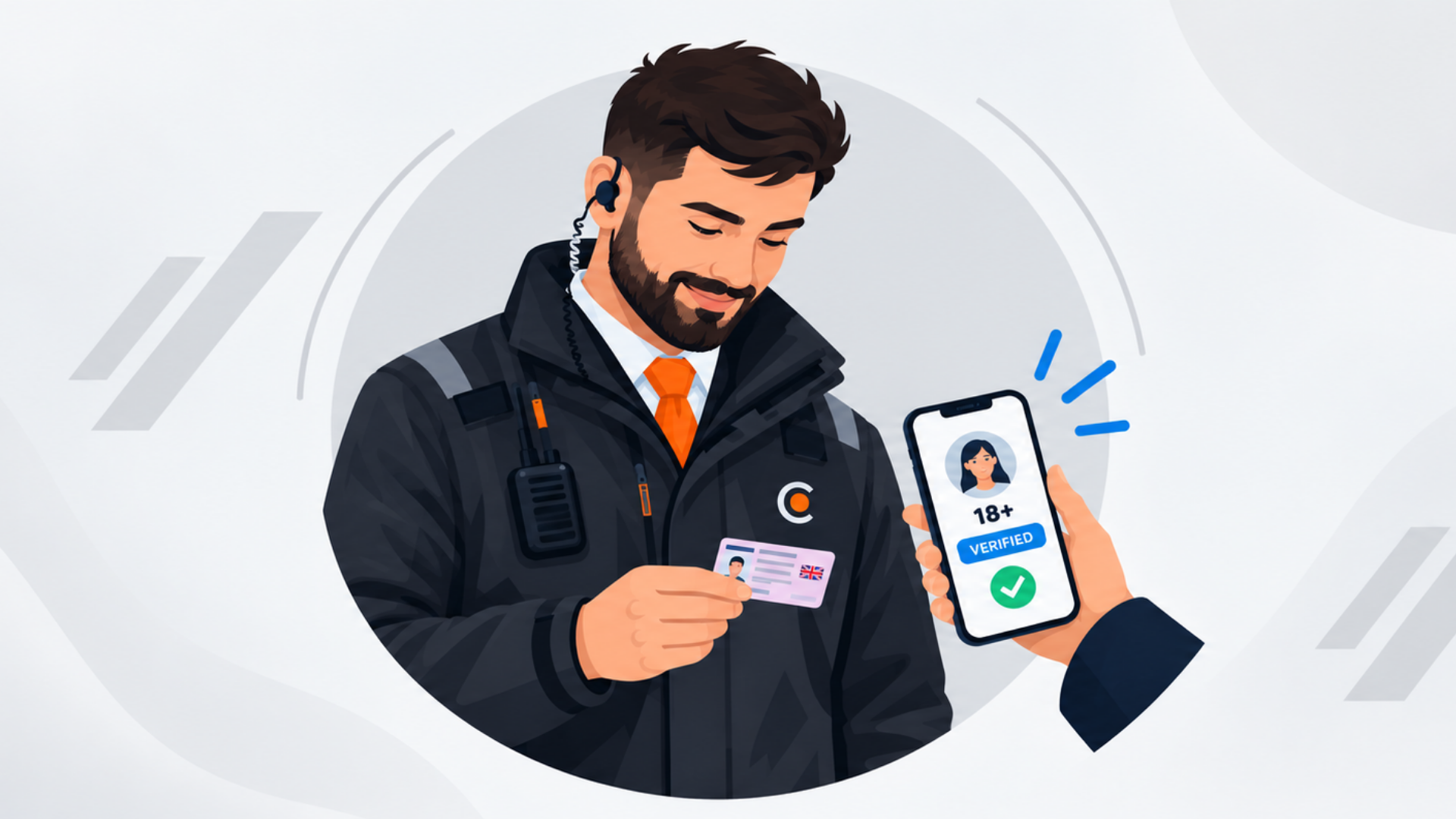
Digital proof of age allows a customer to prove they meet an age requirement through a certified digital service, rather than presenting a physical document. 

At a venue that has introduced it, this involves a digital check through the venue’s agreed system. Simply showing an app screen, screenshot or photograph of a passport or driving licence is not enough. 

Do all pubs and bars have to accept digital ID? 

No. Venues in England and Wales can choose whether to introduce digital proof of age for alcohol checks. They can continue to use physical ID checks. 

This means one venue may accept digital proof of age while another does not. Customers should check the venue’s accepted-ID policy before visiting and bring accepted physical ID if they are unsure. 

The minimum age for buying alcohol remains 18. Venues should continue to apply Challenge 25 or their existing age-verification policy. 

What do venue operators need to do? 

The first step is to decide whether your venue will introduce digital checks and make that position clear to your staff, security provider and customers. 

If you choose to accept digital proof of age, you need to: 

  • Check your premises licence. If a condition expressly prevents digital ID, it needs to be addressed before introduction. A licence variation may be required. 
  • Use a qualifying digital service. The service must be certified and listed on the government’s Digital Verification Services register for age verification at the required level. 
  • Have the required agreement in place. The licence holder’s agreement with the service must specify verification to at least a medium level of confidence. Your provider can explain how its service meets this standard. 
  • Update your age-verification policy. Explain what is accepted, how checks are completed and what happens if a digital check cannot be completed. 
  • Brief door and bar teams. Include cover staff and ensure everyone understands the process before launch. 
  • Protect customer information. Only process personal information needed for the age check. 

Test the process before introducing it, including any devices and connectivity staff will need. Agree a physical-ID fallback so teams know what to do if a customer’s phone runs out of battery or a check fails. 

Make your policy visible on your website, in booking information and at the entrance. Customers should be able to understand what they need before arriving. 

Pubs & Breweries - RZ

Where can operators find a digital verification provider? 

Use the government’s Digital Verification Services register to search providers and check their certification. 

Confirm that the specific service meets the requirements for alcohol age verification at a medium level of confidence or higher. Being listed on the register does not automatically mean every service a provider offers is suitable for alcohol checks. 

Where are the requirements explained? 

The Home Office’s September 2026 guidance issued under section 182 of the Licensing Act 2003 explains: 

  • Paragraph 10.49: acceptance is optional; venues can continue to use physical ID only.
  • Paragraphs 10.47 and 10.52: requirements for the registered digital service and the licence holder’s agreement.
  • Paragraph 10.60: existing licence conditions that expressly prevent digital ID.
  • Paragraphs 10.61–10.62: staff must understand and apply the venue’s age-verification policy.


A consistent approach at the door

Door teams should follow the venue’s current ID policy and site instructions.

Where a venue chooses to introduce digital checks, operators should agree the process with their security provider and ensure staff have suitable equipment and training before it is used.

For customers, acceptance may differ between venues. Check the venue’s policy before visiting and bring accepted physical ID if you are unsure.


What should customers know before heading out? 

If you plan to use digital proof of age, check whether the venue accepts it and which digital services its system supports. 

If you are unsure, bring physical ID accepted by the venue, such as a passport or driving licence. A photograph of that document on your phone is not a replacement. 

If staff ask for physical ID, the venue may not have introduced digital checks. The change gives venues an additional option; it does not mean every pub or bar must accept digital proof of age. 

Does proving your age guarantee entry? 

No. These changes concern age verification for alcohol sales and supply. Admission can also depend on the venue’s entry policy and specific licence conditions. 

A successful age check does not override other entry or service rules. 

Clear communication helps everyone 

As venues decide whether to introduce digital proof of age, customers will encounter different approaches. 

Operators should share their policy with their security provider, brief door and bar teams consistently and explain accepted forms of ID before customers arrive. Door staff can then apply the policy confidently and explain it respectfully. 

For customers, checking ahead and bringing accepted physical ID if unsure can help avoid disappointment on the night. 

Professional Security clients: speak to your operational contact before introducing digital checks so the agreed process can be reflected in site instructions and staff briefings. 
This article covers England and Wales.