How Much Security Does a Pub or Bar Need? A UK Venue Owner’s Guide

July 30, 2026
Calculating...

How Much Security Does a Pub or Bar Need? A UK Venue Owner’s Guide

If you’re responsible for running a pub or bar, you’ve probably asked yourself at some point: How much security do we actually need?

It’s one of the most common questions asked by hospitality operators, and understandably so. Security is an investment, but it’s also an essential part of protecting your customers, staff, premises licence and reputation.

The challenge is that there isn’t a simple answer.

For some venues, security may only be required during busy trading periods such as Christmas, New Year’s Eve or major sporting events. For others, particularly those operating late into the night, dedicated Door Supervisors may be a fundamental part of the operation. The difference lies in the venue itself.

The Quick Answer

There is no legal requirement or industry rule that every pub or bar must have a specific number of Door Supervisors. The right level of security depends on factors such as your premises licence, trading hours, venue layout, customer profile, previous incidents and overall risk assessment.

Every hospitality venue is different, which is why the most effective security arrangements are tailored rather than templated.

At Professional Security, we’ve been helping hospitality operators create safer environments since 2005. Today, our nationwide operational teams support some of the UK’s best-known hospitality brands, including Greene King, JD Wetherspoon, Stonegate, The Ivy Collection, Head of Steam, Dirty Martini and Revolution Bars. With access to more than 7,000 SIA licensed officers and an ACS score of more than 140-placing us within the top 1% of providers, we understand that every venue presents its own challenges and deserves its own solution.

Do Pubs and Bars Legally Need Security?

One of the biggest misconceptions in the hospitality industry is that every pub or bar is legally required to employ Door Supervisors.

In reality, this isn’t the case.

There is currently no legislation that requires all licensed premises to have security on site. However, under the Licensing Act 2003, local authorities may impose conditions on a premises licence requiring SIA licensed Door Supervisors during specified trading periods or events if deemed necessary to support the licensing objectives.

These licensing objectives are:

  • The prevention of crime and disorder
  • Public safety
  • The prevention of public nuisance
  • The protection of children from harm

Depending on the nature of the venue, licensing conditions may also include requirements around CCTV coverage, incident logs, capacity management and dispersal policies.

This is why two venues operating in the same town can have entirely different security requirements. A village pub closing at 10pm is likely to face very different challenges to a city-centre cocktail bar operating until 3am every weekend.

For operators, understanding what is contained within their premises licence should always be the starting point.
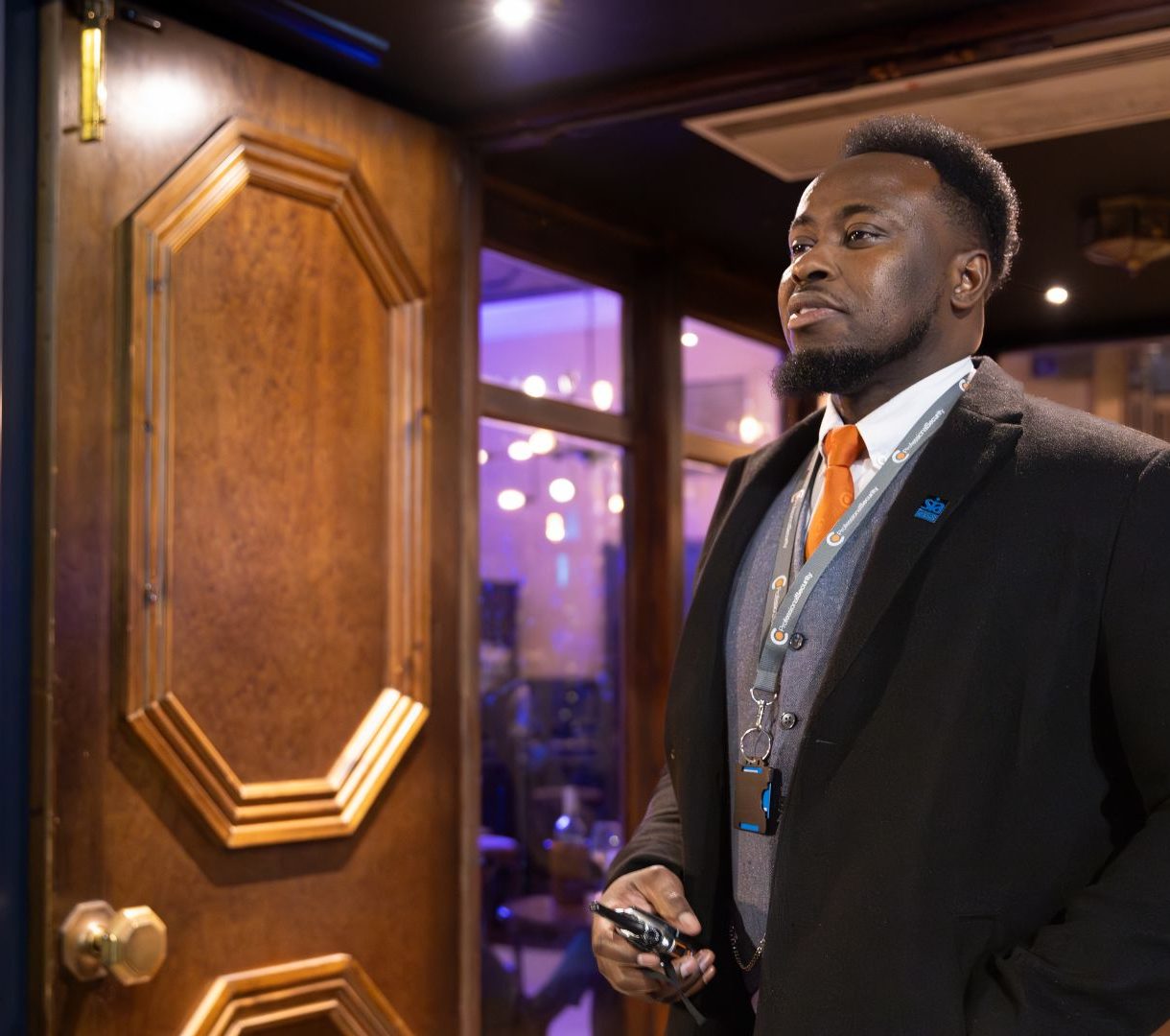
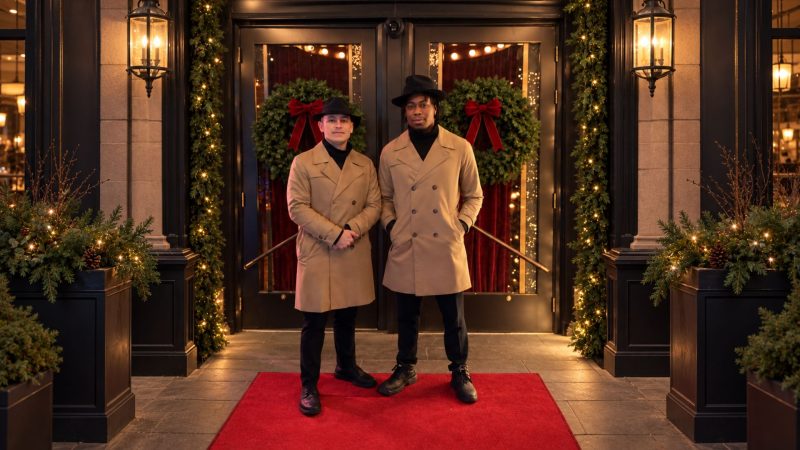
Member of staff stood on the door of a venue

What Determines How Much Security a Venue Needs?

If there isn’t a legal requirement for every venue, what actually determines how much security is needed?

The answer lies in understanding your venue’s risk profile.

Operating hours are often one of the strongest indicators. Businesses trading into the early hours are naturally more likely to experience issues associated with alcohol consumption, customer dispersal and increased footfall. While this doesn’t automatically mean additional security is required, it should form part of a wider assessment.

Capacity also plays an important role. Larger venues bring larger crowds, which can create additional challenges around queue management, customer flow and incident response. There is no recognised industry standard that states one Door Supervisor is required for a certain number of customers. Every venue should be assessed individually.

Past incidents can provide valuable insight, too. If staff regularly encounter aggressive behaviour, if police have previously raised concerns or if certain trading periods consistently create operational pressures, it may be appropriate to review existing arrangements.

Venue layout is another frequently overlooked consideration. Outdoor seating areas, smoking terraces, multiple entrances and event spaces can all influence how a venue is managed from a safety perspective. Likewise, venues hosting DJs, live entertainment or ticketed events often require a different approach to businesses operating primarily as food-led establishments.

Finally, security requirements are rarely static. Christmas parties, Freshers’ Week, bank holidays, major sporting events and seasonal trading peaks can all significantly alter a venue’s risk profile, leading many operators to increase security provision temporarily.

When Should Venues Consider Door Supervisors?

Door Supervisors are often associated with nightclubs and late-night bars, but their role within hospitality is much broader.

Many operators choose to introduce Door Supervisors not because they have a problem, but because they want to prevent one.

Your venue may benefit from reviewing its security arrangements if you regularly experience:

  • Late-night trading, particularly after 11pm
  • Busy weekends or significant seasonal peaks
  • Live music, DJs or ticketed events
  • Long customer queues or large outdoor smoking areas
  • Previous incidents involving violence, aggression or antisocial behaviour
  • Staff who require additional support when refusing service or closing the venue
  • Concerns raised by local police or licensing officers
  • Changes to your premises licence or operating model

A visible and professional security presence can provide reassurance to customers and staff while supporting the smooth operation of your venue during busy periods.

Modern Door Supervisors do far more than manage entry. They create a welcoming first impression, support vulnerable customers, de-escalate challenging situations, assist venue teams and help ensure customers enjoy their visit safely. In many hospitality businesses, they are the first and last member of staff a customer interacts with.

To obtain an SIA Door Supervisor licence, individuals must complete approved training covering areas such as conflict management, physical intervention, emergency procedures and their legal responsibilities.

The Growing Role of Technology in Hospitality Security

Effective hospitality security extends beyond having the right people on site.

Technology now plays a vital role in helping operators improve accountability, identify trends and support investigations when incidents occur.

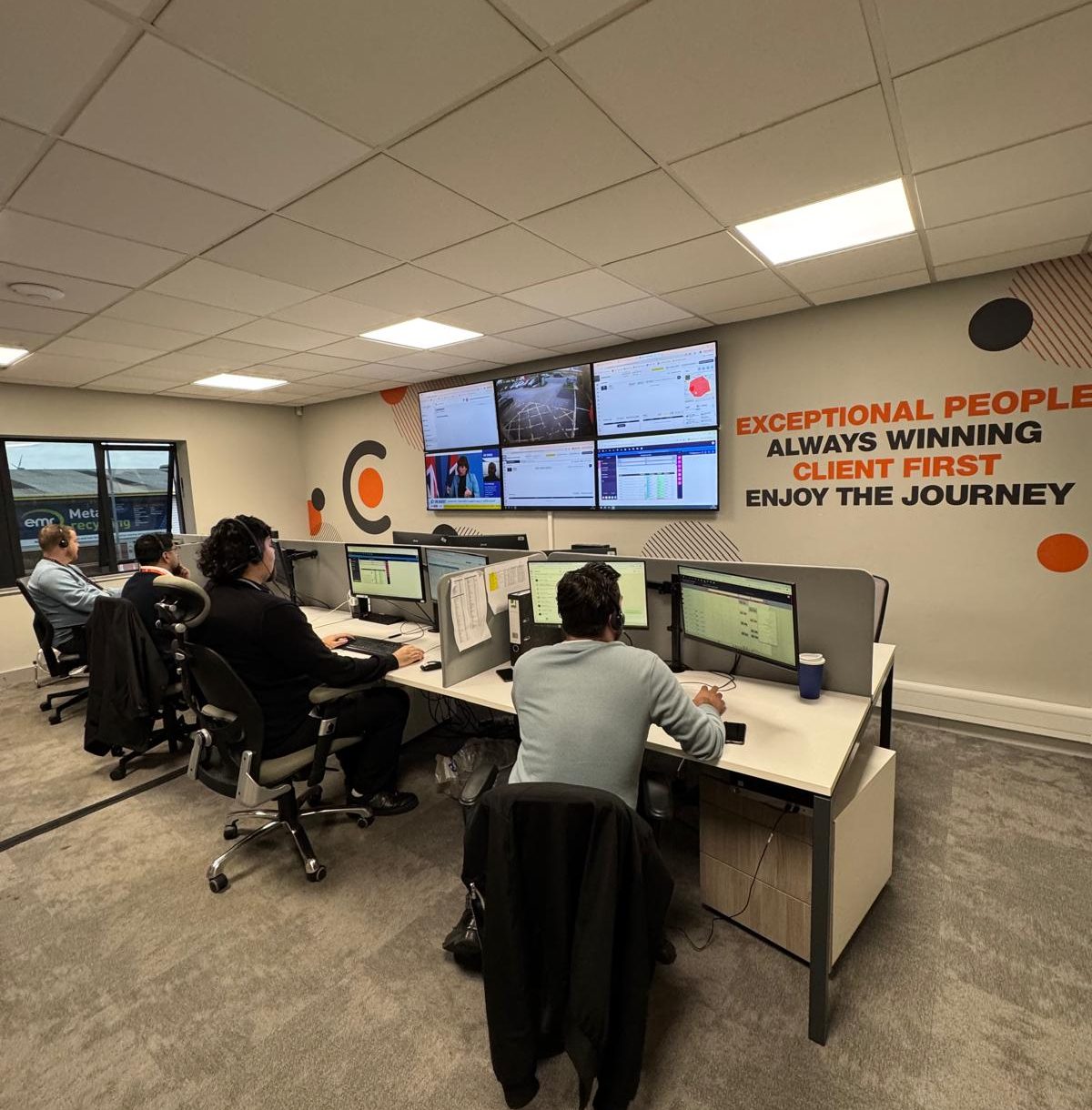
CCTV remains an important tool for many venues, while Body Worn Cameras provide valuable evidence and often help de-escalate incidents before they escalate further. Digital incident reporting systems also enable operators to build a clearer picture of recurring  trends, monitor patterns and make better-informed operational decisions.

Professional Security supports clients using technology including C247, Halo and Axon, providing improved incident reporting, enhanced operational visibility, and greater accountability across hospitality environments.

Technology should never replace experienced security professionals, but when combined with well-trained officers it becomes a powerful tool for creating safer venues.

security operations centre

Why Risk Assessments Matter

No two hospitality venues are identical, which is why risk assessments remain such an important partof determining the appropriate level of security.

A professional assessment considers far more than customer numbers. It examines trading patterns, licensing requirements, previous incidents, venue layout, operating hours and upcoming events that could influence your venue’s risk profile.

Risk assessments also provide an opportunity for operators to ask important questions.

  • Are current arrangements still appropriate?
  • Have customer behaviours changed?
  • Are staff confident in managing challenging situations?
  • Are there opportunities to improve customer welfare and safety?

Importantly, the objective isn’t to recommend more security than a venue needs. It’s to ensure operators have the information required to make informed decisions.

Employers also have a duty under the Health and Safety at Work etc. Act 1974 to protect, so far as is reasonably practicable, the health, safety and welfare of their employees. Assessing risks associated with violence and aggression should form part of that wider approach.

Martyn’s Law and the Future of Hospitality Security

As organisations prepare for the implementation of the Terrorism (Protection of Premises) Act 2025, commonly known as Martyn’s Law, security planning is becoming an increasingly important consideration.

The legislation will introduce legal responsibilities for those responsible for certain premises and events to consider the threat of terrorism and implement proportionate protective measures.

While supporting guidance continues to develop ahead of implementation, the legislation reinforces an important principle: security should be considered as part of the overall operation of a venue rather than as an afterthought.

Professional Security continues to support hospitality businesses in understanding what Martyn’s Law may mean for their operations through our dedicated resource hub.

How Professional Security Assesses a Venue

At Professional Security, we believe hospitality security should be tailored – not templated.

Every consultation begins with understanding your business.We take the time to review operating hours, premises licence conditions, previous challenges, seasonal trends and what success looks like for your venue.

From there, our hospitality specialists recommend solutions that are proportionate to your requirements. That may involve dedicated Door Supervisors, additional support during peak trading periods or simply reviewing existing procedures to ensure they remain effective.

Our hospitality teams support everything from independent pubs and community venues to national pub groups, competitive socialising operators and premium late-night venues across England, Scotland, Wales and Northern Ireland.

With more than 20 years in the sector, access to over 7,000 SIA licensed officers we understand that security isn’t just about compliance – it’s about protecting your people, your customers and the reputation you’ve worked hard to build.

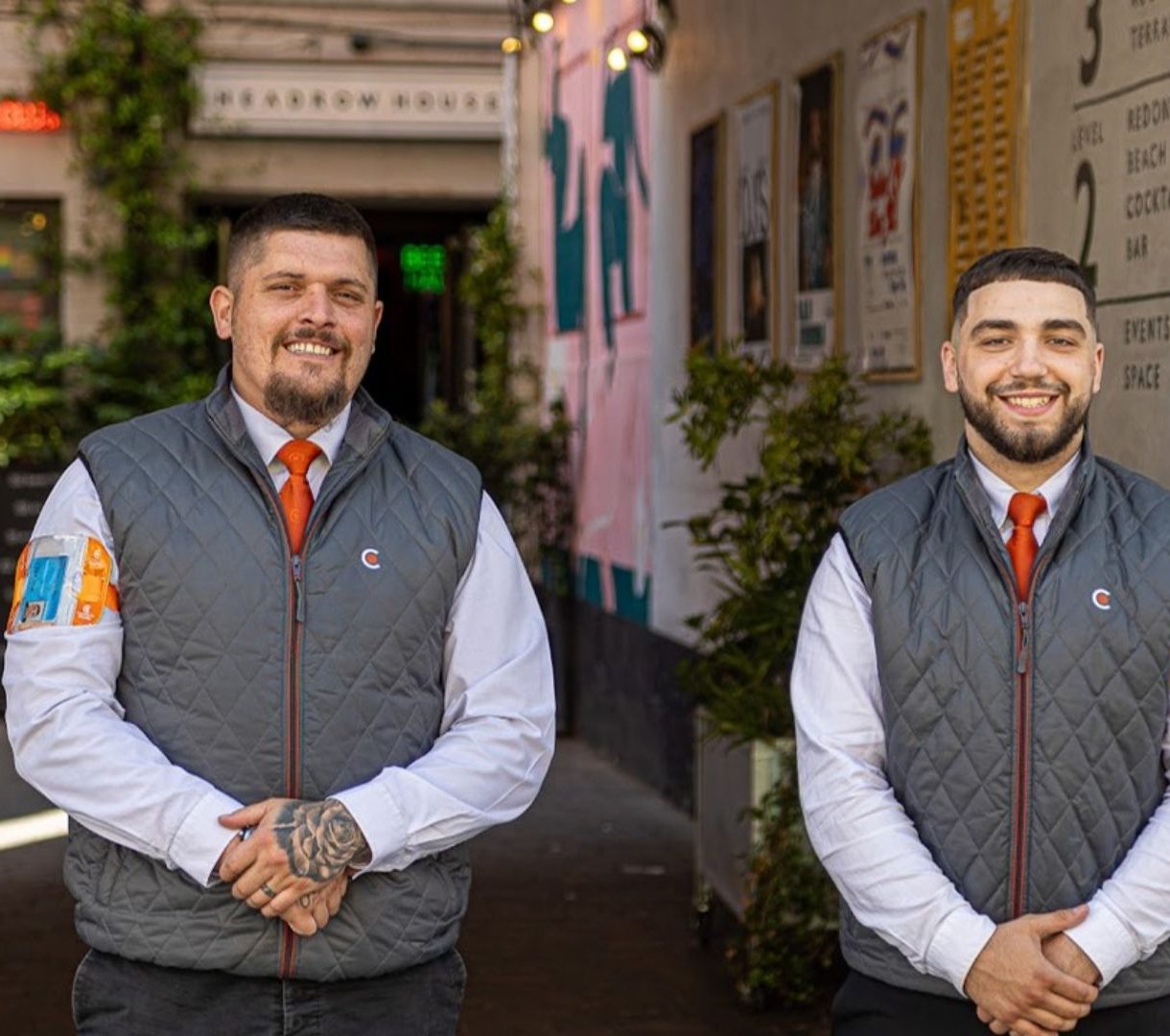
Photo of two door supervisors

Unsure How Much Security Your Venue Needs?

There is no universal answer to how much security a pub or bar needs.

The right level of support will always depend on your premises licence, operating model, opening hours and risk profile.

Whether you’re opening a new venue, reviewing your current arrangements or preparing for a busy trading period, we’re here to help.

Nick Gilling, Business Development Manager at Professional Security, works with hospitality operators across the UK to assess venue requirements and recommend security solutions that are tailored to each business.

If you’d like to discuss your venue or arrange a no-obligation hospitality security consultation, get in touch with Nick and discover how Professional Security can help create a safer environment for your customers, staff and business.

How Much Security Does a Pub or Bar Need? A UK Venue Owner’s Guide

If you’re responsible for running a pub or bar, you’ve probably asked yourself at some point: How much security do we actually need?

It’s one of the most common questions asked by hospitality operators, and understandably so. Security is an investment, but it’s also an essential part of protecting your customers, staff, premises licence and reputation.

The challenge is that there isn’t a simple answer.

For some venues, security may only be required during busy trading periods such as Christmas, New Year’s Eve or major sporting events. For others, particularly those operating late into the night, dedicated Door Supervisors may be a fundamental part of the operation. The difference lies in the venue itself.

The Quick Answer

There is no legal requirement or industry rule that every pub or bar must have a specific number of Door Supervisors. The right level of security depends on factors such as your premises licence, trading hours, venue layout, customer profile, previous incidents and overall risk assessment.

Every hospitality venue is different, which is why the most effective security arrangements are tailored rather than templated.

At Professional Security, we’ve been helping hospitality operators create safer environments since 2005. Today, our nationwide operational teams support some of the UK’s best-known hospitality brands, including Greene King, JD Wetherspoon, Stonegate, The Ivy Collection, Head of Steam, Dirty Martini and Revolution Bars. With access to more than 7,000 SIA licensed officers and an ACS score of more than 140-placing us within the top 1% of providers, we understand that every venue presents its own challenges and deserves its own solution.

Do Pubs and Bars Legally Need Security?

One of the biggest misconceptions in the hospitality industry is that every pub or bar is legally required to employ Door Supervisors.

In reality, this isn’t the case.

There is currently no legislation that requires all licensed premises to have security on site. However, under the Licensing Act 2003, local authorities may impose conditions on a premises licence requiring SIA licensed Door Supervisors during specified trading periods or events if deemed necessary to support the licensing objectives.

These licensing objectives are:

  • The prevention of crime and disorder
  • Public safety
  • The prevention of public nuisance
  • The protection of children from harm

Depending on the nature of the venue, licensing conditions may also include requirements around CCTV coverage, incident logs, capacity management and dispersal policies.

This is why two venues operating in the same town can have entirely different security requirements. A village pub closing at 10pm is likely to face very different challenges to a city-centre cocktail bar operating until 3am every weekend.

For operators, understanding what is contained within their premises licence should always be the starting point.
Member of staff stood on the door of a venue

What Determines How Much Security a Venue Needs?

If there isn’t a legal requirement for every venue, what actually determines how much security is needed?

The answer lies in understanding your venue’s risk profile.

Operating hours are often one of the strongest indicators. Businesses trading into the early hours are naturally more likely to experience issues associated with alcohol consumption, customer dispersal and increased footfall. While this doesn’t automatically mean additional security is required, it should form part of a wider assessment.

Capacity also plays an important role. Larger venues bring larger crowds, which can create additional challenges around queue management, customer flow and incident response. There is no recognised industry standard that states one Door Supervisor is required for a certain number of customers. Every venue should be assessed individually.

Past incidents can provide valuable insight, too. If staff regularly encounter aggressive behaviour, if police have previously raised concerns or if certain trading periods consistently create operational pressures, it may be appropriate to review existing arrangements.

Venue layout is another frequently overlooked consideration. Outdoor seating areas, smoking terraces, multiple entrances and event spaces can all influence how a venue is managed from a safety perspective. Likewise, venues hosting DJs, live entertainment or ticketed events often require a different approach to businesses operating primarily as food-led establishments.

Finally, security requirements are rarely static. Christmas parties, Freshers’ Week, bank holidays, major sporting events and seasonal trading peaks can all significantly alter a venue’s risk profile, leading many operators to increase security provision temporarily.

When Should Venues Consider Door Supervisors?

Door Supervisors are often associated with nightclubs and late-night bars, but their role within hospitality is much broader.

Many operators choose to introduce Door Supervisors not because they have a problem, but because they want to prevent one.

Your venue may benefit from reviewing its security arrangements if you regularly experience:

  • Late-night trading, particularly after 11pm
  • Busy weekends or significant seasonal peaks
  • Live music, DJs or ticketed events
  • Long customer queues or large outdoor smoking areas
  • Previous incidents involving violence, aggression or antisocial behaviour
  • Staff who require additional support when refusing service or closing the venue
  • Concerns raised by local police or licensing officers
  • Changes to your premises licence or operating model

A visible and professional security presence can provide reassurance to customers and staff while supporting the smooth operation of your venue during busy periods.

Modern Door Supervisors do far more than manage entry. They create a welcoming first impression, support vulnerable customers, de-escalate challenging situations, assist venue teams and help ensure customers enjoy their visit safely. In many hospitality businesses, they are the first and last member of staff a customer interacts with.

To obtain an SIA Door Supervisor licence, individuals must complete approved training covering areas such as conflict management, physical intervention, emergency procedures and their legal responsibilities.

The Growing Role of Technology in Hospitality Security

Effective hospitality security extends beyond having the right people on site.

Technology now plays a vital role in helping operators improve accountability, identify trends and support investigations when incidents occur.

CCTV remains an important tool for many venues, while Body Worn Cameras provide valuable evidence and often help de-escalate incidents before they escalate further. Digital incident reporting systems also enable operators to build a clearer picture of recurring  trends, monitor patterns and make better-informed operational decisions.

Professional Security supports clients using technology including C247, Halo and Axon, providing improved incident reporting, enhanced operational visibility, and greater accountability across hospitality environments.

Technology should never replace experienced security professionals, but when combined with well-trained officers it becomes a powerful tool for creating safer venues.

security operations centre

Why Risk Assessments Matter

No two hospitality venues are identical, which is why risk assessments remain such an important partof determining the appropriate level of security.

A professional assessment considers far more than customer numbers. It examines trading patterns, licensing requirements, previous incidents, venue layout, operating hours and upcoming events that could influence your venue’s risk profile.

Risk assessments also provide an opportunity for operators to ask important questions.

  • Are current arrangements still appropriate?
  • Have customer behaviours changed?
  • Are staff confident in managing challenging situations?
  • Are there opportunities to improve customer welfare and safety?

Importantly, the objective isn’t to recommend more security than a venue needs. It’s to ensure operators have the information required to make informed decisions.

Employers also have a duty under the Health and Safety at Work etc. Act 1974 to protect, so far as is reasonably practicable, the health, safety and welfare of their employees. Assessing risks associated with violence and aggression should form part of that wider approach.

Martyn’s Law and the Future of Hospitality Security

As organisations prepare for the implementation of the Terrorism (Protection of Premises) Act 2025, commonly known as Martyn’s Law, security planning is becoming an increasingly important consideration.

The legislation will introduce legal responsibilities for those responsible for certain premises and events to consider the threat of terrorism and implement proportionate protective measures.

While supporting guidance continues to develop ahead of implementation, the legislation reinforces an important principle: security should be considered as part of the overall operation of a venue rather than as an afterthought.

Professional Security continues to support hospitality businesses in understanding what Martyn’s Law may mean for their operations through our dedicated resource hub.

How Professional Security Assesses a Venue

At Professional Security, we believe hospitality security should be tailored – not templated.

Every consultation begins with understanding your business.We take the time to review operating hours, premises licence conditions, previous challenges, seasonal trends and what success looks like for your venue.

From there, our hospitality specialists recommend solutions that are proportionate to your requirements. That may involve dedicated Door Supervisors, additional support during peak trading periods or simply reviewing existing procedures to ensure they remain effective.

Our hospitality teams support everything from independent pubs and community venues to national pub groups, competitive socialising operators and premium late-night venues across England, Scotland, Wales and Northern Ireland.

With more than 20 years in the sector, access to over 7,000 SIA licensed officers we understand that security isn’t just about compliance – it’s about protecting your people, your customers and the reputation you’ve worked hard to build.

Photo of two door supervisors

Unsure How Much Security Your Venue Needs?

There is no universal answer to how much security a pub or bar needs.

The right level of support will always depend on your premises licence, operating model, opening hours and risk profile.

Whether you’re opening a new venue, reviewing your current arrangements or preparing for a busy trading period, we’re here to help.

Nick Gilling, Business Development Manager at Professional Security, works with hospitality operators across the UK to assess venue requirements and recommend security solutions that are tailored to each business.

If you’d like to discuss your venue or arrange a no-obligation hospitality security consultation, get in touch with Nick and discover how Professional Security can help create a safer environment for your customers, staff and business.