
Opening a New Hospitality Venue? 10 Security Considerations Before You Open

September 24, 2026
Calculating...

Opening a New Hospitality Venue? 10 Security Considerations Before You Open

Opening a new hospitality venue takes months of planning. Operators have designs to approve, contractors to manage, teams to recruit, suppliers to appoint, technology to install and a launch to promote.

With so many decisions competing for attention, security is often considered later in the process. Requirements usually become clearer during licensing, and some operators may only start conversations with a security provider around a month before opening.

We understand that reality. The key is to involve your security partner as soon as you can: the earlier you plan, the more time you have to prepare the team, work through practical details and get the venue ready for its first guests.

When should you involve a security company when opening a hospitality venue?

Start the conversation as security requirements become clearer during the licensing process. The local authority may specify whether Door Supervisors are needed and the days or times they must be present.

An organised venue might begin planning security two to three months before opening. In practice, conversations can start as little as a month before launch. These are realistic planning windows, rather than fixed deadlines: the important thing is to make the best use of the time available.

Earlier involvement gives your security partner more opportunity to review licence conditions, assess risks, advise on customer flow and agree staffing and reporting arrangements. If your opening is closer, share the proposed date, operating model and any known licence conditions as soon as possible so priorities can be agreed.

Plan around your first event, not just the public opening date. Media previews, influencer events, friends-and-family nights and soft launches may all take place beforehand and need their own arrangements.

Through our hospitality security services, Professional Security supports pubs, bars, restaurants, hotels, casinos and competitive socialising venues across the UK. Our specialists, operational teams and Risk & Compliance Team support the journey from planning to mobilisation and ongoing delivery.

If you are asking, “What security should I consider before opening a new hospitality venue?”, these are the 10 areas to address.

1. Review your premises licence early

Your premises licence can directly influence how the venue operates. Review the proposed hours, activities, capacity, floor plan and conditions before deciding what provision is required.

In England and Wales, premises licence applications must explain how the venue will promote the four licensing objectives:

-The prevention of crime and disorder

-Public safety

-The prevention of public nuisance

-The protection of children from harm

Depending on the venue, conditions may cover Door Supervisors, CCTV, capacity controls, incident records, entry policies or dispersal arrangements. Where a licence requires someone to carry out a security activity at specified times, that person must be SIA licensed or otherwise legally entitled to undertake the activity.

Professional Security can help translate those conditions into proposed posts, shift times, queue controls and reporting responsibilities. This should complement advice from the local authority and, where appropriate, a licensing solicitor.

Operators in Scotland and Northern Ireland should follow the relevant devolved licensing requirements.


2. Carry out a hospitality security risk assessment

Requirements should reflect the individual venue rather than a standard staffing ratio. A late-night city-centre bar, a restaurant, a hotel and a competitive socialising venue will each present different risks.

A hospitality security risk assessment should consider:

  • Local crime and disorder
  • The venue’s location and neighbouring businesses
  • Customer profile and expected behaviour
  • Trading hours and alcohol service
  • Capacity, footfall and peak periods
  • Entrances, external areas and transport links
  • Cash handling and high-value assets
  • Employee safety and lone working

The aim is to identify credible risks and choose proportionate controls. HSE guidance states that employers must assess and manage workplace health and safety risks.

Professional Security’s Risk & Compliance Team can turn the findings into an actionable plan covering physical measures, staffing, procedures, training and escalation routes. The result should reflect how the venue will actually trade.

3. Design security into the venue

Where possible, consider security while the layout is still being developed. If fit-out is already underway or the layout is fixed, a site visit can help identify practical adjustments before guests arrive. Map the customer journey, from arrival and queueing to smoking areas, closing and dispersal, alongside the separate routes used by employees, contractors, deliveries, cash, stock and waste.

The design review should examine:

  • CCTV positions and potential blind spots
  • Access control for offices, stockrooms and back-of-house areas
  • Entrance, exit and queue capacity
  • Emergency exits and routes for emergency services
  • Lighting around entrances and external areas
  • Radio coverage throughout the building
  • Cash-handling and high-value storage areas

CCTV should have a defined purpose. Consider access to footage, retention periods, signage and responsibility for the system.

Fire safety must remain central to the design. Security controls must not obstruct emergency exits or prevent people from leaving safely.

Professional Security can review sightlines, entry points, queue locations and likely officer positions. The earlier this happens, the more scope there is to address issues before opening.

4. Protect the venue during fit-out

The security risk begins before the first customer arrives. During fit-out, contractors may be moving through the building while permanent doors, alarms or access-control systems are not yet fully operational.

At the same time, valuable items may be arriving, including alcohol, commercial kitchen equipment, furniture, audio-visual systems, tills, gaming equipment and other technology.

Create a temporary site-security plan covering:

  • Contractor and visitor access
  • Key and access-credential control
  • High-value delivery schedules
  • Secure storage
  • Evening and weekend protection
  • The handover from contractors to the venue team

Professional Security can assess whether temporary guarding, patrols, monitored systems or additional protection during high-value deliveries would be appropriate while permanent controls are established.

5. Plan your security staffing before opening

There is no universal officer-to-customer ratio for hospitality venues. The right model depends on the premises licence, risk assessment, layout, trading pattern and duties that need to be covered.

Instead of beginning with a number, identify the responsibilities. These could include entrance and queue management, internal support, external areas, customer welfare, incident response and closing procedures.

Agree the staffing model as soon as the licence requirements and launch schedule are sufficiently clear. Starting two to three months ahead gives more time to select SIA licensed officers with suitable hospitality experience, prepare venue-specific inductions and agree how the team will work with management.

Where the lead time is closer to a month, prioritise confirming the required duties, shift times, officer availability and briefing dates. Include any pre-opening events in that plan, rather than treating the public launch as the first shift.

With access to over 7,000 SIA licensed officers and nationwide operational teams, we can support individual openings as well as coordinated multi-site rollouts.

Our officers receive customer service and conflict management training, helping them protect the venue while supporting the guest experience. C247 workforce management gives our teams oversight of scheduling, attendance and delivery.

6. Prepare for opening week

Opening week can involve several different events before normal trading begins. Media and influencer previews, friends-and-family nights, VIP events and soft launches may each have different guest lists, timings and entry arrangements. The public launch can then bring additional demand from promotions, publicity and local curiosity.

Prepare for the whole schedule. For each event, consider capacity, guest lists, queues, customer welfare, first aid, vulnerable people, authorised searches, refusals, emergency access and dispersal.

Professional Security can work with venue management to agree post locations, responsibilities, radio channels, escalation routes and contingency options. A soft launch can also provide an opportunity to test customer flow and communications, then address practical issues before the public opening.

What this looks like in practice

Buckle Up Cowgirl: the launch starts before doors officially open

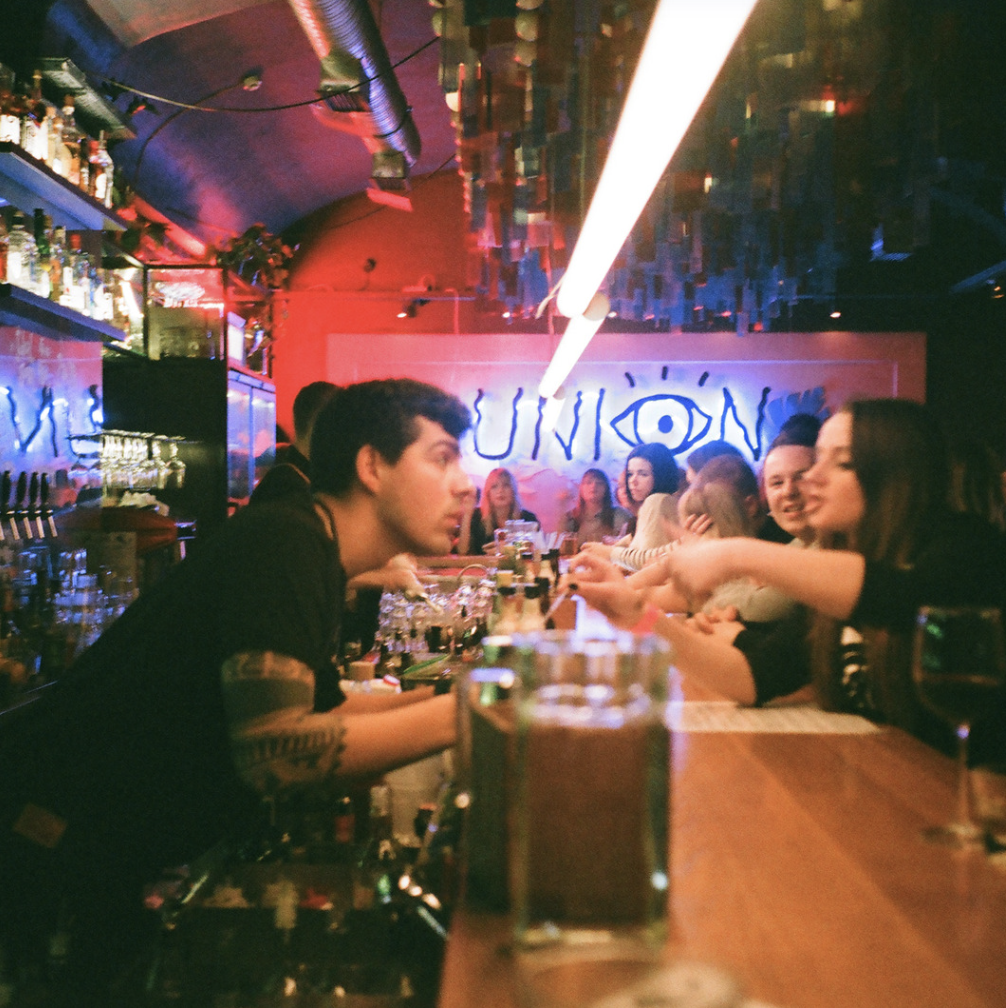
Members of our Leeds team attended Buckle Up Cowgirl’s friends-and-family soft launch on the Wednesday before its official opening. With its mechanical bull and country-inspired atmosphere, the venue brought a distinctive new social experience to Leeds. Being part of that early event was a reminder that a launch is often a series of occasions: invited guests can be experiencing the venue before the public opening, so preparations need to reflect the full schedule.

Chick-fil-A Leeds: managing opening-day demand

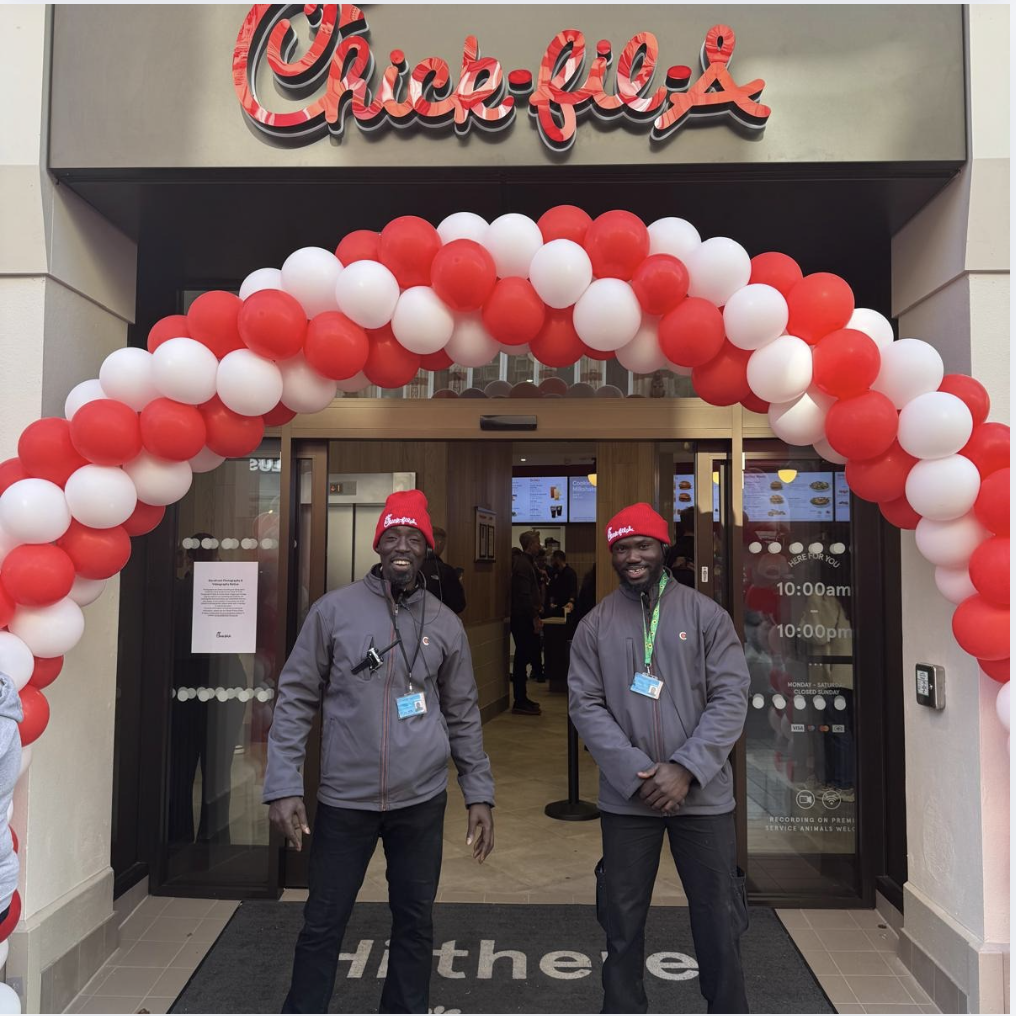
At the launch of Leeds’ first Chick-fil-A restaurant on Commercial Street, Professional Security provided door supervision and crowd management as queues stretched back into Trinity Leeds. Our officers helped keep queues moving and guests comfortable, combining a visible security presence with a welcoming approach. It is a practical example of why opening-day plans need to consider the space outside the venue as well as the people inside.

7. Think beyond security guards

A visible presence is only one part of a safe hospitality operation. Procedures should explain how the venue prevents, responds to and records incidents.

Before opening, operators should develop clear Standard Operating Procedures and Assignment Instructions. These may cover:

  • Entry policies
  • Searches
  • Refusals and ejections
  • Drugs and weapons
  • Spiking concerns
  • Safeguarding
  • Customer welfare
  • Evidence handling
  • Emergency escalation

Professional Security connects those procedures with daily delivery. Joint briefings ensure officers and venue employees understand their roles, communication routes and decision-making responsibilities.

Technology supports this approach. Halo Incident Management supports consistent digital reporting, and Axon Body Worn Cameras can help with evidence capture and accountability where their use is appropriate and lawful.

8. Prepare for Martyn’s Law and wider emergencies

The Terrorism (Protection of Premises) Act 2025, commonly known as Martyn’s Law, received Royal Assent on 3 April 2025.

The Government has set out an implementation period of at least 24 months from Royal Assent. Operators should check the latest official guidance as they prepare.

Venues can use this period to strengthen their emergency planning. Procedures should identify who is responsible, how employees will communicate and how the venue would evacuate, invacuate or lock down while supporting customers who need additional assistance.

Martyn’s Law does not create a universal requirement to employ security guards, and legal responsibility cannot simply be transferred to a contractor.

However, Professional Security’s Risk & Compliance Team can help operators understand how their security arrangements and emergency procedures work together.

Our Martyn’s Law guidance hub provides further practical information for hospitality operators.

9. Choose a security partner that can grow with you

The right partner should be able to support the venue at launch and maintain the same standards as the operation develops.

Ask how providers recruit and vet officers, verify licences, complete inductions, cover absence, monitor performance and support managers.

Multi-site operators, franchisees and international brands entering the UK also need consistent reporting and regional management.

SIA Approved Contractor Scheme status is a useful starting point. The SIA maintains a public register of organisations that have met the scheme’s requirements.

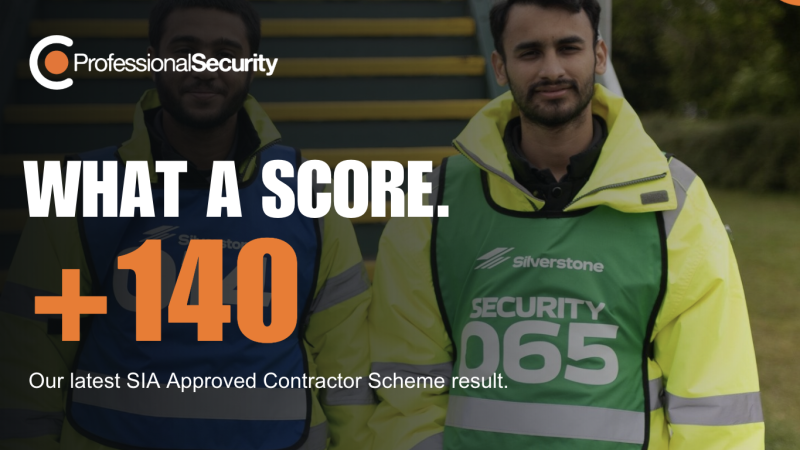
Professional Security is a top 1% ACS provider, with an audit score above 140. Our national officer network is supported by operational teams across the UK, allowing us to combine consistent standards with local management.

This model supports independent venues, growing groups and national programmes. See our experience across hospitality settings in our hospitality security case studies.

10. Review and improve after opening

Opening is the beginning of the operational phase, not the end of the security plan.

Review the first trading periods with management, security, front-of-house and operations while the details are still fresh.

Look at:

  • Queue times
  • Refusals and ejections
  • Recorded incidents
  • Customer welfare cases
  • CCTV blind spots
  • Radio coverage
  • Employee and customer feedback

Halo Incident Management can support this process by providing consistent records that help identify patterns and inform decisions.

Professional Security can use these findings with the venue to refine shift times, officer positions, procedures and training. Reviews should also take place ahead of seasonal peaks, major events, changes to licensed hours or expansion into new areas.

This keeps the security solution proportionate to the venue’s actual performance rather than relying on assumptions made before opening.

Hospitality venue security timeline

Use these stages as a practical guide, working back from your first guest event. An organised venue may start two to three months ahead, while others have closer to a month. If your lead time is shorter, some stages will need to run alongside one another. Larger or more complex openings may need longer.

During licensing / around 2–3 months before: Understand the requirements

Discuss proposed hours, activities and any security conditions emerging through licensing. Share the floor plan, assess risks and review customer flow, CCTV and access control. Consider temporary protection if fit-out is still underway.

Around 1 month before: Confirm the operational plan

Agree security duties, staffing, shift times, procedures and reporting. Confirm the schedule for soft launches, friends-and-family nights, media events and the public opening. If this is your first conversation with a provider, prioritise the licence requirements, site visit and officer availability.

1–2 weeks before the first event: Brief and test

Complete venue-specific inductions and joint briefings. Check radios, access arrangements, officer positions and emergency responsibilities. Use any soft launch to identify practical improvements before the next event.

Opening week: Deliver and adapt

Brief teams for each event, monitor queues and customer welfare, and keep communication clear. Debrief after each launch activity so lessons can inform the next.

After opening: Review and improve

Review incidents, guest and employee feedback, staffing and trading patterns. Refine arrangements for normal operations and prepare for future peaks.

What should you have ready before contacting a security company?

You do not need a finished security plan.

A useful first conversation can begin with:

  • The venue address and proposed floor plan
  • The planned opening date
  • Licensed hours and activities
  • Expected capacity and footfall
  • Opening events
  • External and smoking areas
  • High-value assets
  • Known premises licence conditions

Sharing this information allows Professional Security to ask the right questions and begin developing a solution that reflects the venue, audience and commercial plans.

You can also explore our hospitality FAQs for more information about how hospitality security is planned and delivered.

Opening a new hospitality venue?

Whether you’re launching an independent venue, expanding your hospitality brand or opening multiple locations across the UK, Professional Security can help you plan the right security solution from day one.

Nick Gilling, Business Development Manager at Professional Security, works with hospitality operators to understand their venues, assess requirements and build tailored solutions.

Latest articles

Take a look at what else we have been up to!

Opening a New Hospitality Venue? 10 Security Considerations Before You Open

Security is often considered later when opening a hospitality venue, but earlier planning makes a difference. Explore 10 practical security checks, realistic timelines and lessons from venue launches supported by Professional Security.

Read More
Professional Security achieves +140 ACS score for a second consecutive year

Professional Security has achieved a score of +140 in its latest Security Industry Authority (SIA) Approved Contractor Scheme assessment, matching last year’s result and retaining approval for Door Supervision, Security Guarding and Close Protection.

Read More
Top 5 Things You Missed from Professional Security This August

August was another busy month for Professional Security, with our teams supporting major sporting and community events, strengthening client partnerships and celebrating the people who make a difference every day.

Read More
Hello, Ireland: Professional Security expands into Ireland

Professional Security is now operating in Ireland, combining experienced local leadership, locally recruited teams and established operational expertise to support businesses across Dublin, Cork, Galway and Limerick.

Read More
Top 5 Things You Missed from Professional Security This July

July has been another busy month for Professional Security, with our teams supporting nationally recognised events, championing exceptional colleagues and sharing expertise on the issues shaping the future of our industry.

Read More
How Much Security Does a Pub or Bar Need? A UK Venue Owner’s Guide

Do pubs and bars legally need Door Supervisors? This guide shows how hospitality operators can assess their security requirements based on licensing conditions, operating hours and venue risk profiles.

Read More
International Security Officers’ Day 2026 | Professional Security

Professional Security celebrates the 7,000 security officers who work around the clock to protect people, places and communities across the UK and Northern Ireland.

Read More
Record-breaking World Cup security operation delivered across the UK

Professional Security delivered its largest-ever nationwide hospitality security operation during the 2026 World Cup, with more than 3,600 security professionals completing 49,098 shifts and 335,395 hours across the UK. 

Read More
National Stamp Out Spiking Day: Paige’s Story

Today is National Stamp Out Spiking Day – a day dedicated to raising awareness of drink spiking, supporting victims, and encouraging venues, businesses and individuals to take action to make nightlife safer for everyone.

Read More